
01Why a Television Question Is Not a Pub Question
A pub host can read out a question that turns out to be contestable and fix it at the table: a quick judgment call, maybe a point each way, the evening moves on. A broadcast question cannot be fixed. Once it has gone out live, it is permanent. If a contestant loses money — or a car, or a life-changing sum — because a question had a second defensible answer, the production company faces formal complaints, regulatory scrutiny and, in some cases, legal challenge. That asymmetry between pub and television shapes everything about how broadcast questions are written.
The checking process on a major quiz programme typically runs in layers. A researcher writes the question and verifies the answer against at least two independent sources. An editorial team then tests it for ambiguity: is there any reading of the wording under which a different answer is also correct? A legal or compliance reader checks for defamation risk — a question that implies something untrue about a living person — and for rights issues around image-based material. On some productions a second setter, who has not seen the original question, tries to argue against the intended answer. That adversarial step exists for exactly one reason: to find the problem before the contestant does.
What this process removes is often genuinely interesting material. A fact that is true but disputed in its own field, an event date that sources record differently, a record that depends on how you define the category — all of it goes. The setter may have loved the question; it goes anyway. The legal filter operates on a different standard from the setter's instinct. The setter asks is this true? The compliance reader asks can someone argue it is not? Those are different questions, and the second is harder to satisfy.
02What the Filter Improves
The same pressure that strips interesting-but-arguable material also disciplines the prose. A question that has survived a legal read tends to be tightly worded: every qualifier in place, the scope of the answer clearly bounded. Broadcast questions routinely include phrases that feel lawyerly — "according to which century's census," "in which country as constituted in that year" — not to show off, but to close the gap between intended answer and any rival answer. That exactness, however dry it sounds, is a craft standard most pub questions never reach.
The process also produces documentation. A broadcast question arrives at recording accompanied by its source materials: the two references that confirm the answer, the note explaining why rival answers were considered and rejected. That audit trail protects the production; it also means the question has been genuinely interrogated rather than assumed. When a contestant challenges an answer — as they do, regularly, and sometimes correctly — the production can respond with something more than confidence. It can respond with evidence.
There is a narrowing effect worth acknowledging honestly. Questions that have survived every layer of checking tend to cluster around facts that are both well-attested and widely agreed upon: the kind of knowledge that has been in print long enough to be confirmed by multiple authoritative sources with no dissenting note. Newer facts, contested histories and anything at the edge of a field struggle to clear the bar. The broadcast quiz is not a good vehicle for the genuinely uncertain. It compensates with depth — returning to bedrock facts from unexpected angles, using structure and difficulty curve rather than obscurity to surprise — but the constraint is real.
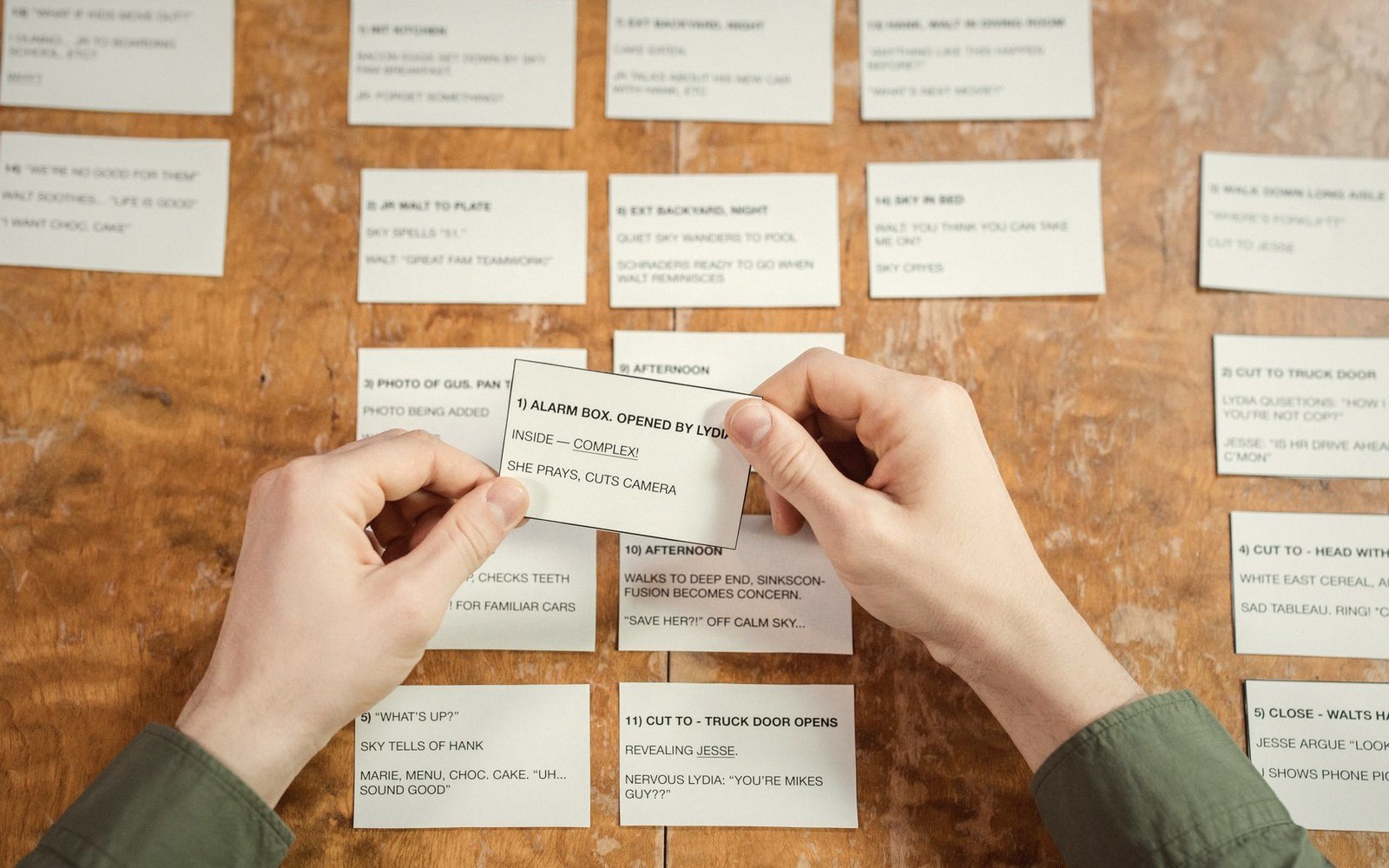
The pub quiz operates without these checks, and that freedom is part of its texture. The odd bad question, the disputed answer, the spirited argument — these belong to the form. But the broadcast standard, for all its cautious narrowing, embeds a discipline that setters in any context would do well to borrow: a question with two defensible answers is broken, however confident you feel about the intended one.

Absolute Trivia is an independent publication about the craft of writing quiz questions. It is not a quiz service, question bank, or league.