01The Direction of Traffic
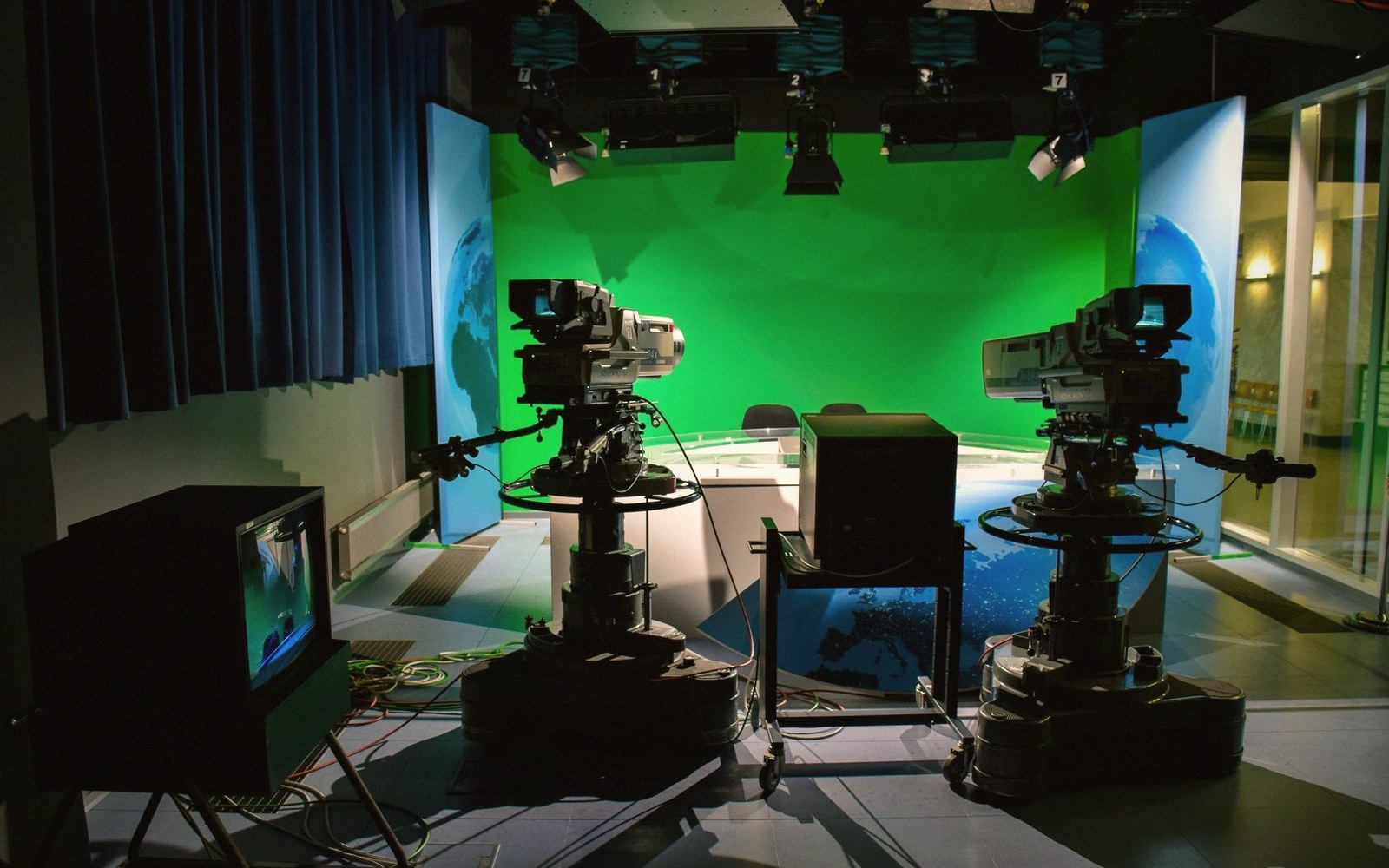
The pub quiz as a fixed, weekly institution is generally traced to the early 1970s in Britain, with Burns Night quizzes and working-men's-club contests appearing somewhat earlier. The format that hardened — rounds of ten, a picture sheet, a joker, a numerical tie-break — did not grow organically from beer and conversation. It was borrowed, deliberately, from broadcast quiz formats that had been engineering the same problems for two decades already: how do you calibrate difficulty across a mixed audience, maintain tension through a long session, and deliver a satisfying resolution at the end?
Television had been working on those questions since the late 1940s. What's My Line? arrived on both sides of the Atlantic in the early 1950s and demonstrated something that would shape every format after it: the panel structure, in which a team of players collectively holds more knowledge than any individual, creates more interesting television than a lone contestant sweating alone. The insight transferred directly. The pub quiz round played by a team of four to six people is a social version of the same principle — collective recall is both more reliable and more fun than individual performance.
The British broadcast quiz of the 1960s also solved the difficulty problem by stratification: early questions accessible, middle questions harder, a couple of genuine stretchers at the end. Producers had discovered empirically that an audience watching a contestant fail every question loses interest almost immediately, while an audience watching an unbeatable contestant sail through feels equally flat. The pub quiz round inherited this architecture wholesale. A good round opens with something most people know, builds through the middle, and closes with something that separates the field. The craft of that sequencing did not emerge independently in pub back rooms — it arrived pre-solved.
02What the Broadcast Formats Contributed, Specifically
The picture round is the clearest case. Before it became a staple of pub quizzes — printed on a sheet, circulated at halftime — the visual identification question was a television staple. Ask the Family and a long line of other television quizzes all exploited the basic insight that recognition tasks play differently from recall tasks: they are more democratic (you either know the face or you don't, without the social embarrassment of saying an answer aloud), they create a useful pause in proceedings, and they allow a setter to insert easier material without making it feel patronising. The picture sheet at a pub quiz is that format lifted intact, adapted only for a non-broadcast medium by being printed rather than projected.
The joker mechanic has an equally direct lineage. Doubled-score rounds had appeared on British television before pub quiz hosts adopted the device in the late 1970s and 1980s. The appeal is structural: a joker converts a passive scoring system into an active strategic decision. Teams must commit before the round begins, which creates tension regardless of whether they are winning or losing. The television producer who originally bundled that mechanic into a format was solving a pacing problem — how do you maintain jeopardy in the second half of a game when the leader is pulling ahead? The pub quiz inherited the solution without always inheriting awareness of why it works.
The tie-break, too, is a broadcast transplant. The sealed-bid numerical question — state a number, closest wins — had appeared in various forms on game shows before it became the standard pub quiz tiebreaker. Its genius, which the television producers understood and the pub quiz format absorbed, is that it removes the need for a definitive right answer while still producing a definitive result. A question like "how many miles of shelving does the British Library contain?" rewards calibrated estimation rather than retrieval, which means it can be used even when everyone has already proved roughly equal at retrieval. That is exactly what a tie-break needs to be.
03What the Pub Added Back
Traffic moved both ways, though the pub's contributions are less obvious because they are structural rather than mechanical. The largest of them is the social contract around wrong answers. On a television quiz, a wrong answer is a moment of individual exposure — the camera finds the face, the studio reacts, the atmosphere briefly charges with something close to embarrassment. The team format of the pub quiz, which makes a group rather than an individual the unit of play, converts wrong answers from exposure into collective experience. The person who gets it wrong is absorbed into the team; the team chose to write that answer; the team laughs or groans together. This is not a mechanical change — it is a tonal one, and it made the format durable in a way that solo-contestant formats are not. You can return to The Plough the following week having been wrong about almost everything and suffer no lasting social cost.
The pub also gave the format its tolerance for ambiguity — a tolerance television cannot afford. A broadcast quiz must resolve every answer cleanly, because there is no mechanism for the programme to hear a contestant's objection, consider it, and rule in real time. The pub quizmaster can exercise judgment: can award a half-point, accept a near-miss, hear an appeal from table seven and decide on the spot. This creates a different relationship between setter and player. The question no longer has to survive a lawyer in the way that a television question must; it has to survive a reasonable quizmaster, which is a lower and more human bar. Whether that looseness is a virtue or a failure mode has been argued in pub car parks for fifty years.
Finally, the pub introduced the recurring relationship. A television format acquires its audience across millions of households; no one viewer is known to the show. A pub quiz runs on Thursday at the same address every week, with many of the same people, and the quizmaster learns — or should learn — that difficulty is not an absolute property but one calibrated for a specific room. The regulars at The Plough will be different in their knowledge profile from the regulars at The Crown two streets away, and a setter with genuine craft knows it. Television cannot do that. The neighbourhood scale is the one thing the pub format genuinely invented, and it may be the reason the format survived long after the television genres that shaped it had mostly vanished.
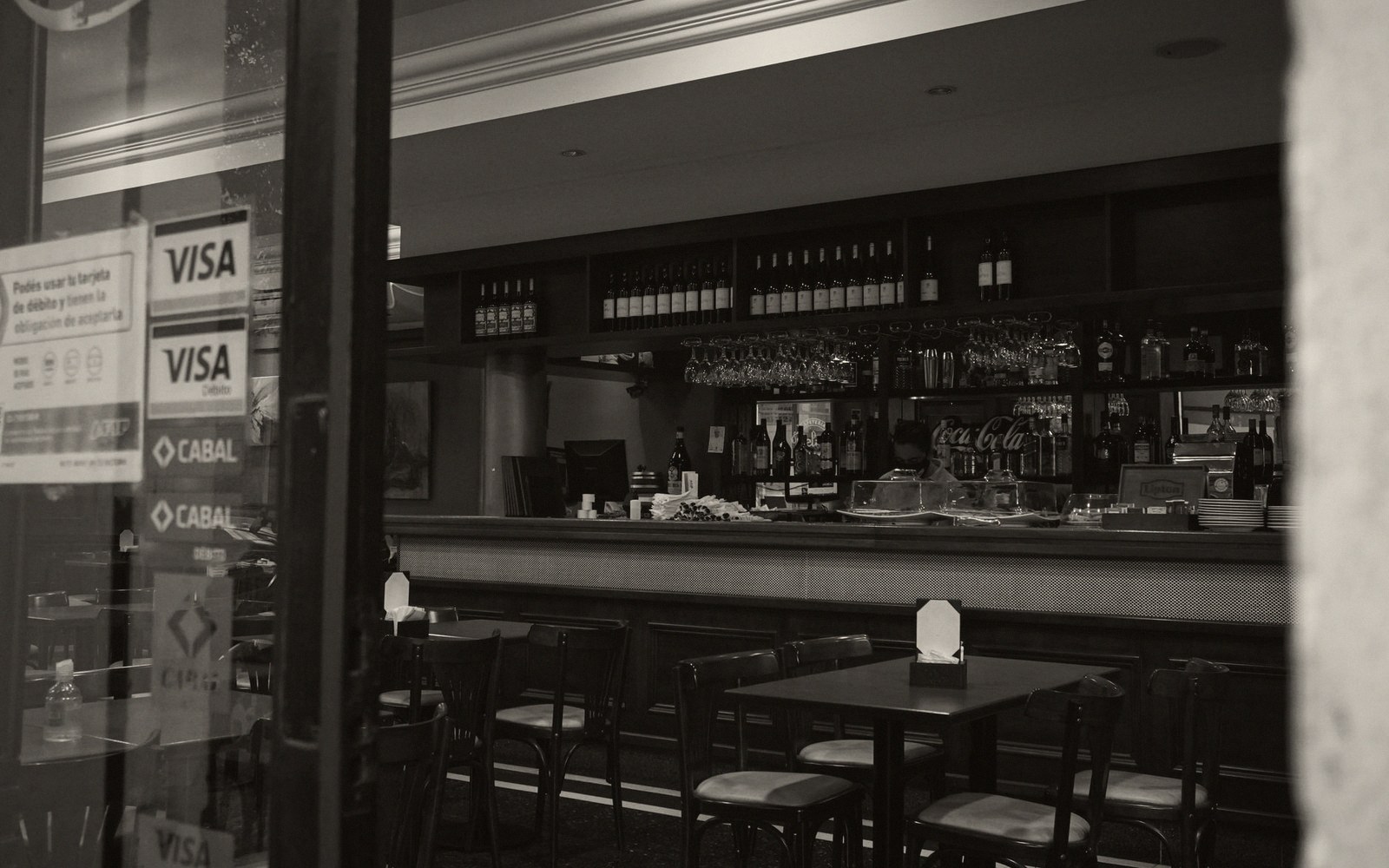
The architecture arrived via broadcast. The warmth was added in the room.
Absolute Trivia is an independent publication about how quiz questions are written and where quiz formats come from. It is not a quiz service, question bank, or league. No questions here are designed to be played.