
01The job nobody sees
The question on the night takes ten seconds to read aloud. The work behind it took considerably longer, and almost none of it happened at a desk.
Material comes from everywhere a setter pays attention. A radio documentary about Antarctic geology, a footnote in a library book, a passing remark about a historical date that turns out to be wrong on every website but one — these are the raw ingredients, and they arrive without announcement. Most setters keep some form of capture system: a running notes file, a physical notebook, a folder of saved articles. The discipline is not research so much as perpetual readiness. Something catches; you record it. Something doesn't; it's gone by Tuesday.
The stockpile matters because setting from scratch, on demand, produces bad questions. The setter who sits down on a Thursday morning and tries to generate forty questions by the evening will reach, inevitably, for the same material everybody reaches for: the obvious capitals, the predictable monarchs, the one fact about every subject that floats to the top of a search. Building a reserve over weeks and months means the set draws on material that has already been filtered once — filtered by interest, by surprise, by the instinct that something is genuinely worth knowing.
02Assembling the set
Selecting from the stockpile is slower than it looks. A fact that seemed promising when captured often fails on inspection: it turns out to admit a second plausible answer, or the claimed record has since been broken, or the source was a single website whose confidence exceeded its accuracy. The two-source standard kills a surprising proportion of candidates at this stage. Others are set aside not because they are wrong but because they are awkward — the kind of question that is technically answerable but will make a room feel tricked rather than tested.
What remains gets arranged. Difficulty is a property of the room, not of the question, so the setter is making judgements about a specific audience: how broadly read, how old, how likely to know their science versus their sport. A question that is a reasonable mid-difficulty for one venue is either insultingly easy or cruelly unfair at another. This calibration is invisible to the people answering, which is precisely the point.
The structure of a round — where the easy question sits, where the hardest lands, how the sheet opens and closes — takes genuine thought. A round that begins with a stumper loses the room immediately. One that saves every accessible question for the end leaves people who've been scoring zero for eight rounds feeling that the event was designed against them. The pacing is a craft decision with social consequences.
03The unglamorous core
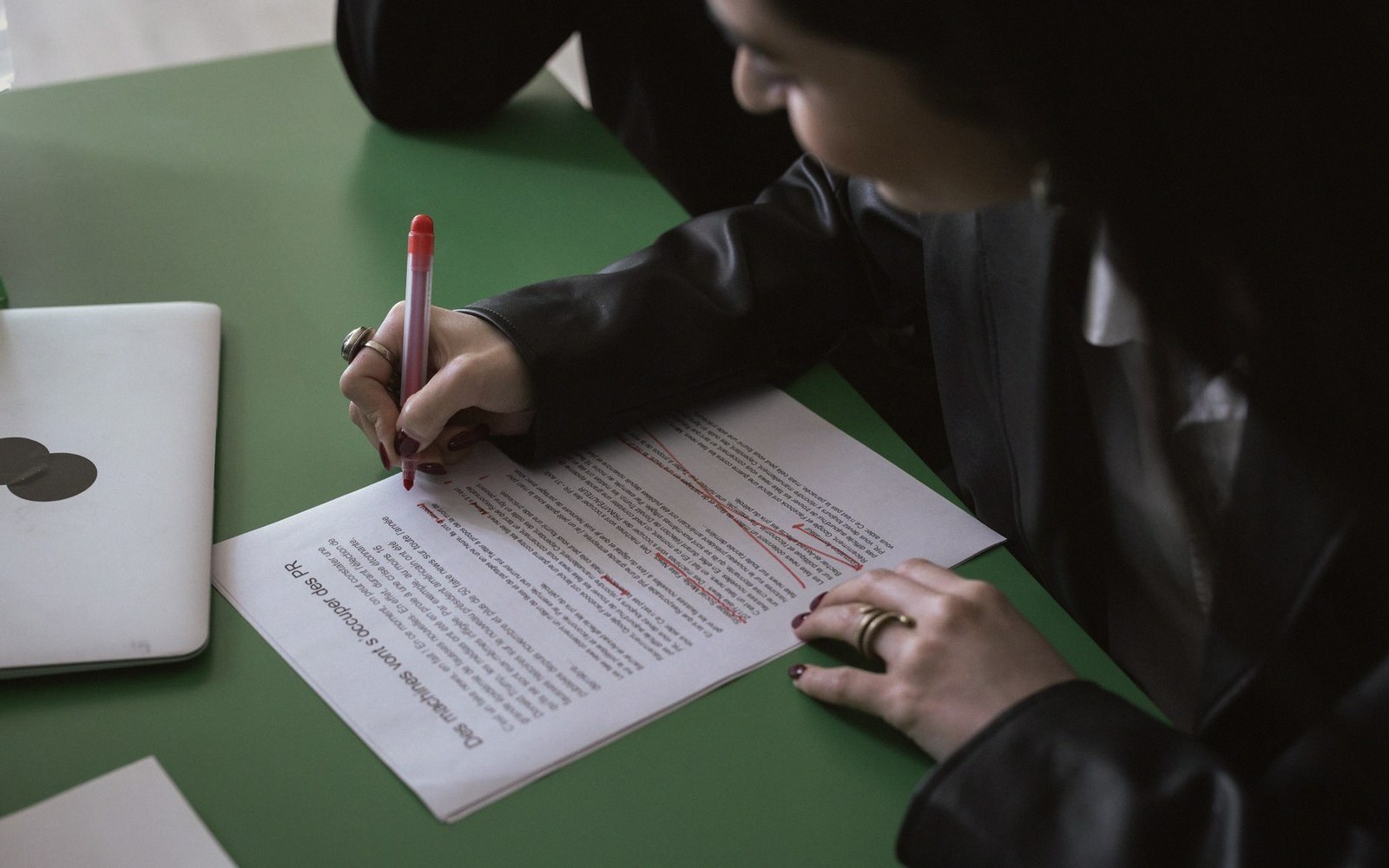
In practice, a working week for a setter who produces material regularly breaks down roughly like this: several days of ambient collection with no deliberate research; an hour or two of winnowing, verifying and rejecting; a concentrated session of drafting, ordering and reading each question aloud to catch the ambiguities that look fine on the page but dissolve under spoken stress; and, if the job is for broadcast rather than pub, a further stage of checking defensibility — the uncomfortable process of imagining every wrong answer a contestant might reasonably give and asking whether the question, as written, rules each one out.
Reading questions aloud is not optional. A sentence that parses correctly in silence can split into two meanings when heard, particularly when the answer is a word the listener is already scanning for. Setters learn to distrust their own familiarity with the material. By the fifth read-through they know what the question means; a team hearing it for the first time does not have that advantage, and the question has to work for them.
None of this is dramatic. There is no moment of inspiration, no montage. There is a file of notes, a pile of sources, a quiet room and a sustained habit of scepticism about things you were fairly sure were true. The question on the night is the visible tenth of an iceberg. The other nine-tenths is a week of unglamorous care.
Absolute Trivia is an independent publication about how quiz questions are written. It is not a quiz service, question bank or league.