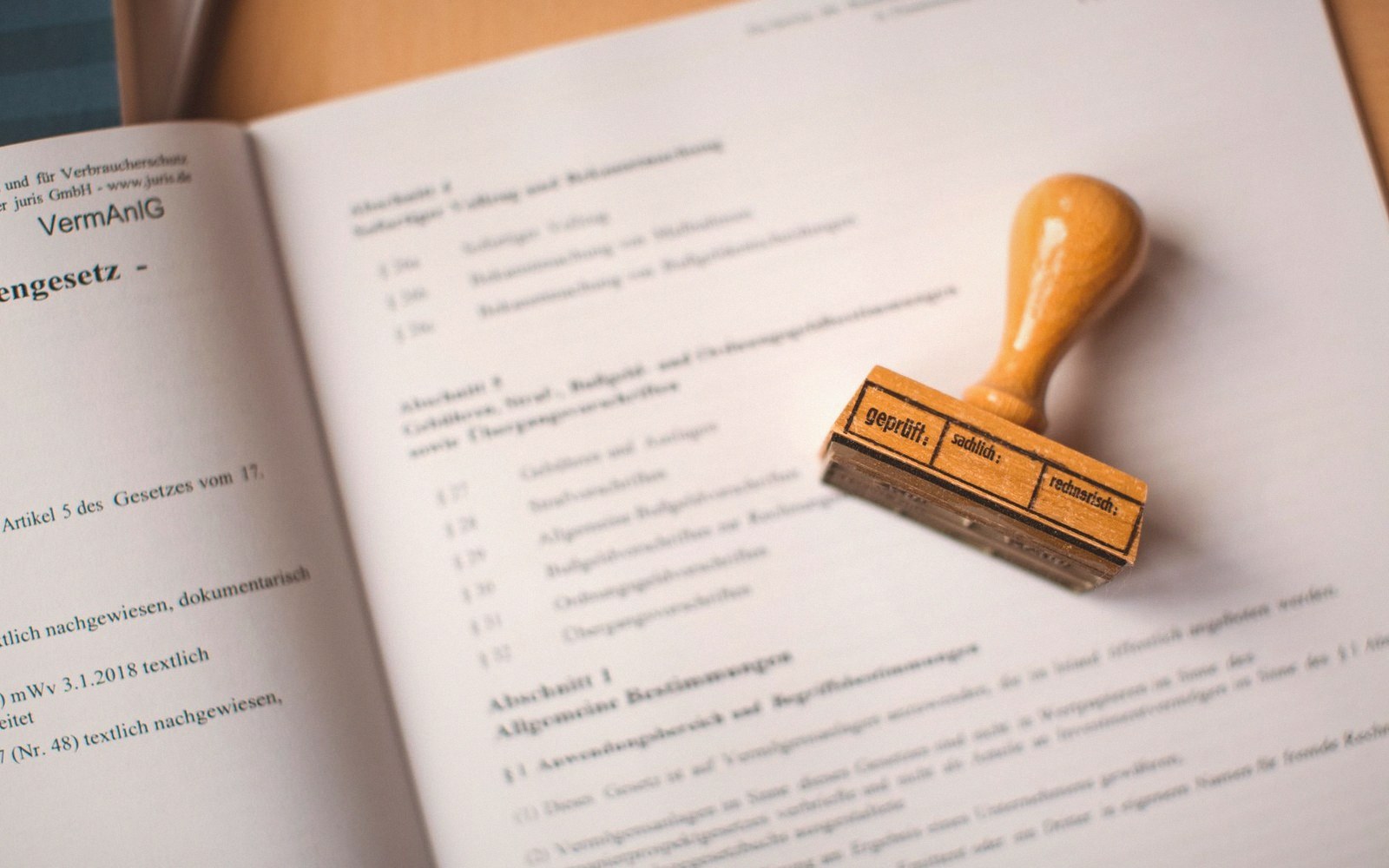
01The Fact Is Free; the Words Are Not
Here is something most quiz players assume without ever examining: that questions can be copied freely, because facts are public property. The first part of that assumption is wrong. The second part is right, and that is exactly where the trouble starts.
Copyright does not protect facts, ideas, or information. The capital of France is Paris; that cannot be owned. What copyright does protect is original expression — the particular arrangement of words a writer chose to dress a fact in. A question is a sentence, and a sentence can be original enough to attract protection the moment it is written down. The setter who spent twenty minutes finding the cleanest, most unambiguous path to an answer has created something. That something is theirs.
The practical implication is sharper than it first appears. A rival quiz night cannot lift a question verbatim and claim it is fine because "you can't copyright a fact." They are right about the fact and wrong about the sentence. The test is not whether the information is unique but whether the phrasing is. Courts in both the UK and the United States have held, across a range of similar disputes, that the creative choices involved in framing even a simple question — what to ask, what to omit, how to signal the intended answer — can constitute original literary work.
02Sets, Compilations, and the Surprising Middle Ground
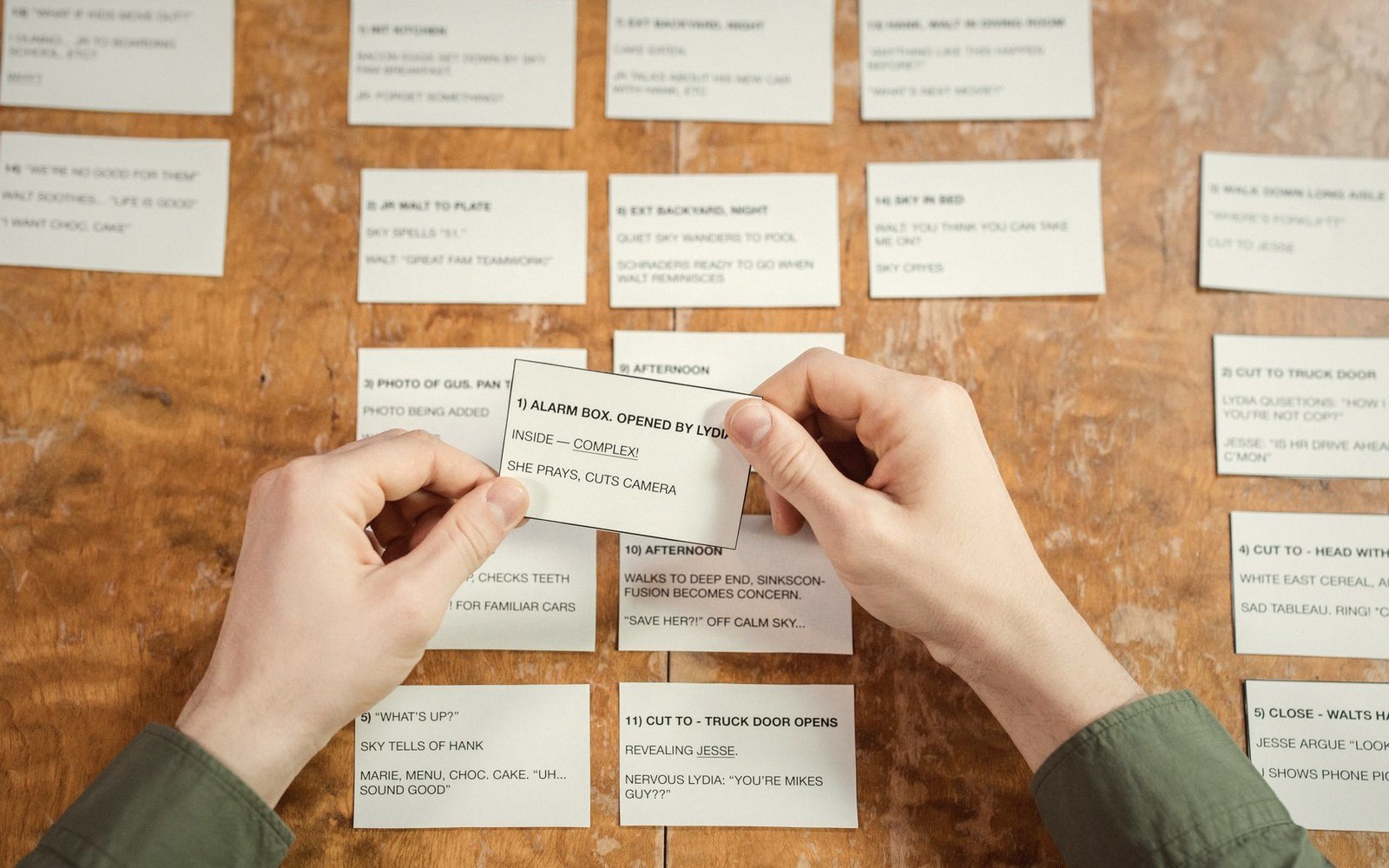
Where things get genuinely complicated is at the level of the round or the full set. A compilation of individually unprotectable elements can itself attract copyright as a collection, provided the selection and arrangement reflect creative judgment. A carefully sequenced round — one that opens gently, peaks in difficulty, and closes on something accessible — is an authored object. The order is a choice; the balance of topics is a choice; the internal rhythm is a choice. Strip out any one question and replace it, and you have made an editorial decision. That is authorship, and authorship generates rights.
This is why the major quiz-content companies — those supplying questions to pub chains and packaged quiz nights — do not simply rely on the difficulty of copying. They own their sets as literary compilations and enforce accordingly. A freelance setter commissioned to write material usually assigns copyright to the publisher on signing; the economic right leaves them even if the moral right, the right to be identified as author, technically remains.
The grey area that catches people out is paraphrase. If you read a question, extract the fact at its core, and rewrite the sentence from scratch, you have almost certainly not infringed copyright. The fact was always free. Whether your new phrasing is sufficiently different from the original is a judgment call, and in practice it rarely gets tested in court — but the logic is sound. Writing the answer first and constructing the question independently is not just good craft; it is also the cleaner legal posture.
03What This Means in Practice
For the professional setter, the working conclusion is straightforward: your phrasing is your asset, your sets are your portfolio, and both deserve the same protection you would give any other piece of writing. For the pub-quiz host printing a sheet sourced from a commercial provider, the licence matters — not because enforcement is common but because the rights are real.
For the player who has ever noticed that two different quizzes asked the same question in almost identical words, the answer is usually one of three things: independent convergence on the obvious phrasing (the same fact genuinely only fits comfortably one way), a question that passed through enough hands to lose its attribution, or outright copying that nobody challenged. All three happen regularly. Only the last one is indefensible, and only the last one is actually wrong.
A fact belongs to everyone. The sentence built around it belongs to the person who built it. That distinction is not a technicality. It is the entire law.

Absolute Trivia is an independent publication about the craft of writing quiz questions. It is not a quiz service, question bank or league.